Compare Local Contractors for Drain Tile Installation Success
Compare local contractors for drain tile installation to define project scope, verify experience, and establish clear expectations in writing for a successful outcome.
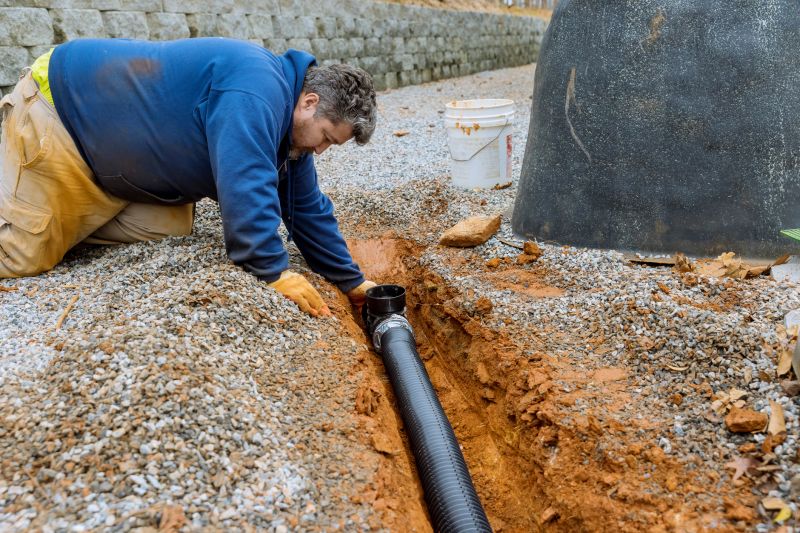
Drain tile installation is a specialized service that involves placing a perforated pipe system underground to help manage water around a property’s foundation. This work typically includes assessing the site to determine the best placement for the drain tile, excavating the necessary areas, installing the piping with proper grading, and backfilling to ensure effective water diversion. Proper installation helps prevent water accumulation that can lead to foundation damage, basement flooding, or landscape erosion. Since drain tile systems are integral to a property’s drainage plan, understanding the scope of work-such as the extent of excavation, materials used, and integration with existing drainage features-is essential for a successful outcome.
Defining the scope of drain tile installation projects is crucial because it sets clear expectations and helps avoid misunderstandings between property owners and contractors. A well-detailed scope includes specific details about the area to be covered, the type of piping, the drainage outlets, and any additional features like sump pumps or gravel beds. Clarifying these elements in writing ensures that both parties agree on what will be done, reducing the risk of unexpected issues or incomplete work. Property owners should communicate their drainage concerns and desired outcomes early in the process to help contractors develop accurate plans and proposals that align with their needs.
When comparing local contractors for drain tile installation, it’s important to evaluate their experience with similar projects and their understanding of local soil and drainage conditions. Property owners can ask for references or examples of past work to gauge a contractor’s familiarity with the area. Additionally, verifying that contractors provide detailed written estimates and scope descriptions allows for better comparison of services offered. Considering factors such as the contractor’s reputation, communication clarity, and the thoroughness of their proposals can help ensure that the chosen service provider is well-equipped to handle the specific requirements of the project.
Compare local contractors by outlining project priorities, verifying experience, and clearly defining scope and expectations in writing.
- Experience Verification - Confirm that contractors have relevant experience with drain tile installation projects.
- Scope Definition - Clearly outline the work to be performed and set expectations in writing.
- Comparison Tips - Evaluate multiple service providers based on credentials, reputation, and scope of work.
- Contract Clarity - Ensure all project details, responsibilities, and requirements are documented before work begins.
Clearly describe your drain tile project scope to effectively compare local contractors and set clear expectations.
- Verify experience and references related to drain tile installation projects. - Ensure contractors have a proven track record with similar drainage systems and can provide contactable references.
- Define the scope of work clearly in writing before starting the project. - Clarify responsibilities, materials, and installation details to prevent misunderstandings.
- Compare multiple local contractors to assess their approaches and level of detail in proposals. - Look for comprehensive plans that address site conditions and drainage needs.
- Check that contractors understand local soil and drainage challenges specific to the area. - Confirm they have knowledge of local conditions that could impact installation.
- Request detailed work descriptions and specifications to ensure transparency and set expectations. - Written documentation helps compare services and avoid surprises during the project.
- Ensure the scope includes site preparation, proper grading, and drainage system integration. - Clear scope coverage helps ensure the drain tile system functions effectively.
Compare local contractors' experience and clarify project scope to ensure expectations are clearly defined.


Use clear, consistent comparison criteria to evaluate scope, experience, and written expectations across local contractors.
- Scope Definition - Clearly outline the specific tasks and areas involved in the drain tile installation project.
- Material Selection - Specify the types of materials and drainage systems to be used for the installation.
- Experience Verification - Confirm that local contractors have relevant experience with drain tile systems and similar projects.
- Project Expectations - Establish written details about the project's scope, methods, and desired outcomes for clarity.
- Comparison of Service Providers - Evaluate and compare local contractors based on their expertise, scope offerings, and project approach.
When comparing contractors for drain tile installation, it is important to assess their experience with similar projects. Homeowners should inquire about the types of properties the contractors have worked on and whether they have handled projects comparable in scope and complexity. A contractor with a history of successful drain tile installations on properties similar to the site in question can offer insights into what to expect and demonstrate familiarity with the specific challenges involved. This background can help ensure that the service provider understands the nuances of the work and has the practical knowledge to execute it effectively.
A clear, written scope of work is essential to establish mutual understanding and set expectations. Homeowners should seek detailed descriptions of what the project includes, such as the installation process, materials used, and any preparatory or follow-up work. A well-defined scope helps prevent misunderstandings and provides a basis for evaluating whether the contractor’s approach aligns with the project’s needs. It also serves as a reference point for future discussions and ensures that all parties are aligned on the work to be performed.
Verification of a contractor’s experience can be supported by requesting references or examples of completed projects. Homeowners should ask for contact information of past clients or for documentation of previous drain tile installations. Visiting completed sites, when possible, can provide additional assurance of quality and workmanship. Verifying that the contractor has successfully completed similar projects helps confirm their capability and reduces the risk of unforeseen issues during installation. It also offers an opportunity to gather insights about the contractor’s reliability and professionalism.
Evaluating options without focusing on prices involves assessing the quality of proposals, the clarity of communication, and the professionalism of each service provider. Homeowners should compare how well each contractor defines the scope of work, the materials they plan to use, and the steps involved in the installation process. It’s also helpful to consider the thoroughness of their explanations and whether they are willing to answer questions or provide additional details. This approach ensures that the decision is based on the contractor’s expertise, transparency, and ability to meet the project’s specific requirements, rather than solely on cost considerations.
Request written scope and expectations from local contractors to ensure clear understanding and consistent work.
- Experience and References - How do local contractors demonstrate their experience with drain tile installation projects?
- Scope of Work - What specific tasks and materials are included in the proposed drain tile installation scope?
- Project Expectations - How can the scope of work be clearly defined and documented in writing before starting?
- Comparison Criteria - What factors should be used to compare different contractors’ approaches and service offerings?
- Warranty and Follow-up - What warranty or post-installation support do local service providers typically offer for drain tile work?
What should I consider when choosing a contractor for drain tile installation? It's important to compare local contractors based on experience, reputation, and the scope of services they offer. Verifying their familiarity with drain tile systems can help ensure a suitable match for the project.
How can I define the scope of my drain tile installation project? Clearly outline the areas to be serviced, the type of drainage system needed, and any specific site conditions. Communicating these details in writing helps contractors provide accurate proposals.
What questions should I ask a contractor about their experience with drain tile systems? Inquire about their previous projects, the types of drainage solutions they have installed, and their familiarity with different soil and landscape conditions relevant to the job.
Why is it important to get a written agreement with a contractor? A written agreement helps set clear expectations regarding the work scope, responsibilities, and deliverables, reducing potential misunderstandings during the project.
How can I compare different contractors for drain tile installation? Review their project experience, request references if available, and assess their ability to communicate clearly about the scope and process of the installation.
What should I look for in a contractor’s proposal for drain tile work? A comprehensive proposal should detail the scope of work, materials to be used, project steps, and any warranties or guarantees, providing a clear understanding of what to expect.
This page has provided an overview of key considerations when selecting contractors for drain tile installation, including how to define the scope of work, verify experience, and set clear expectations in writing. Understanding these factors can help in making informed comparisons among available service providers, ensuring that the chosen contractor aligns with the project needs. Using the quote form allows for efficient comparison of local contractors, helping to identify options that meet specific requirements.
By utilizing the quote form, visitors can connect with local contractors who specialize in drain tile installation and compare their offerings side by side. This approach supports making well-informed decisions based on the scope and expectations outlined, helping to find the right service provider for the project.