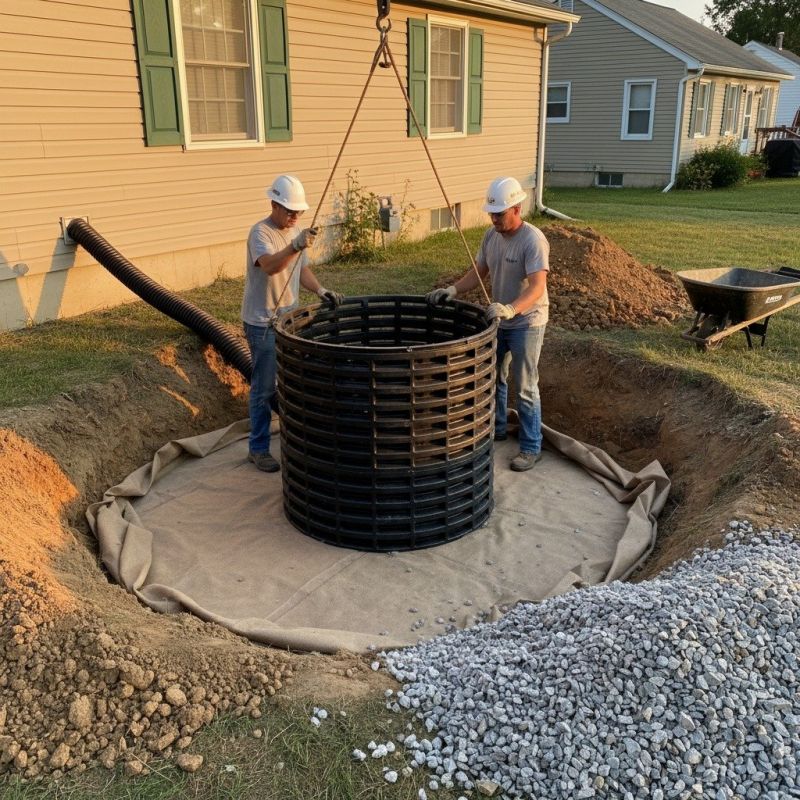
Dry Well Installation in Birmingham, AL
Dry well installation services provide a practical solution for managing excess groundwater and stormwater runoff on residential properties. A dry well is an underground structure that allows water to safely drain away from foundations, driveways, or landscaped areas, preventing pooling and water damage. These systems are often used in projects such as improving drainage around new construction, expanding existing drainage systems, or addressing drainage issues caused by heavy rainfall. Property owners typically want to understand how dry wells work, where they can be installed, and what factors influence their effectiveness, including soil type and property layout.
Before requesting dry well installation, homeowners should consider the location of the system, ensuring it is placed where it will not cause water to flow back toward the foundation or other structures. Understanding local regulations and restrictions related to underground drainage systems is also important. Additionally, property owners may want to know about maintenance requirements and the lifespan of a dry well to ensure it remains functional over time. Proper planning and informed decisions can help optimize drainage solutions and protect the property from water-related issues.
Many property owners in Birmingham, AL look into Dry Well Installation for repairs, replacements, upgrades, and appearance-related improvements.
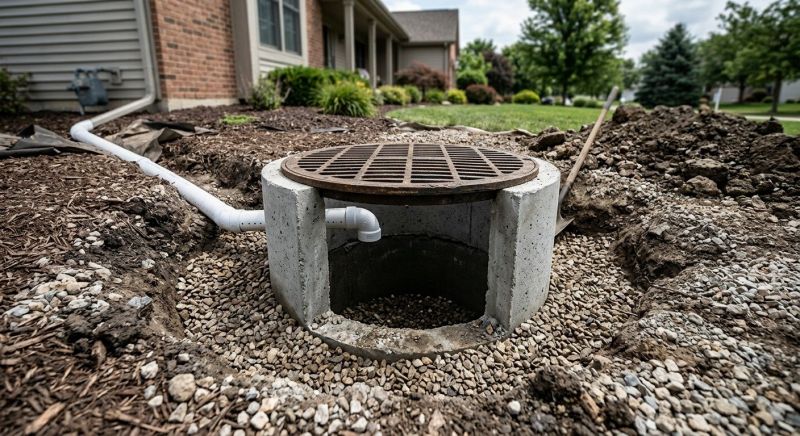
Purpose Of Dry Wells
Dry wells help manage excess water runoff and prevent flooding on residential properties.
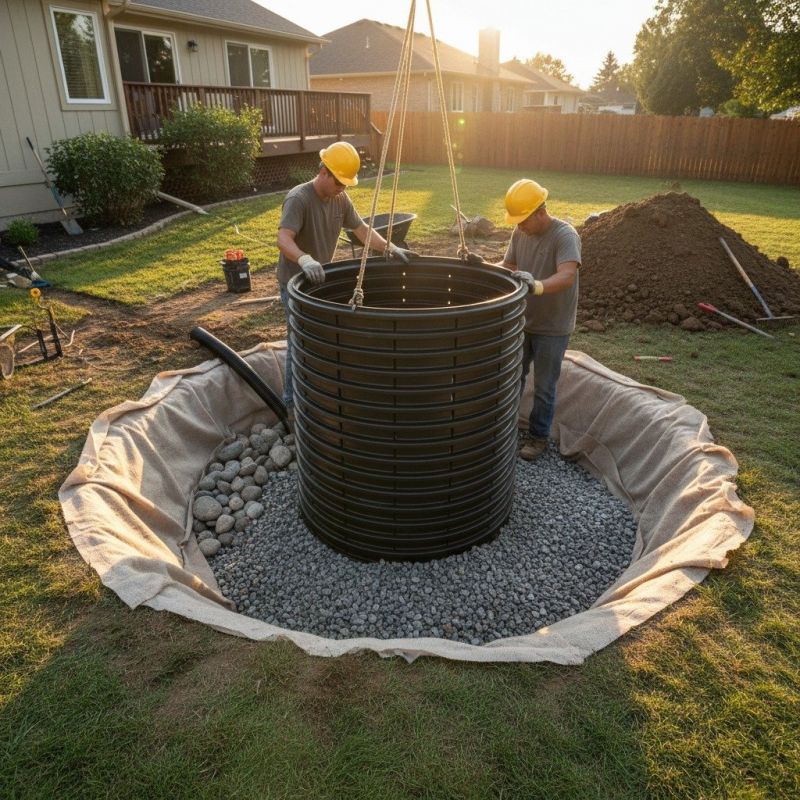
Common Installation Projects
They are often used for drainage around foundations, driveways, and landscaped areas in birmingham.
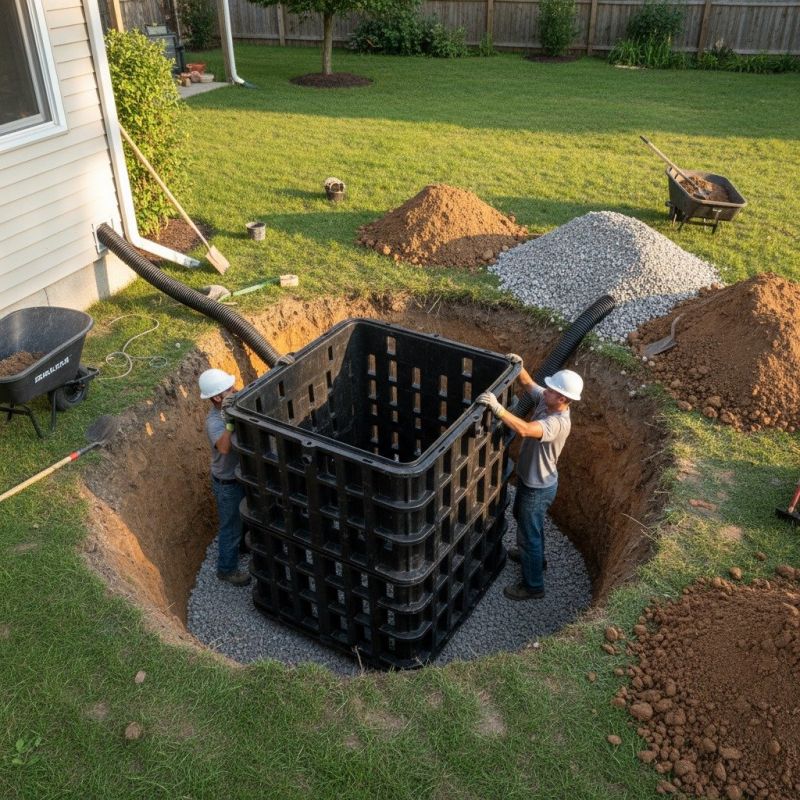
Key Considerations
Proper placement and sizing are essential to ensure effective water drainage and prevent water pooling.
Dry Well Installation in Birmingham, AL
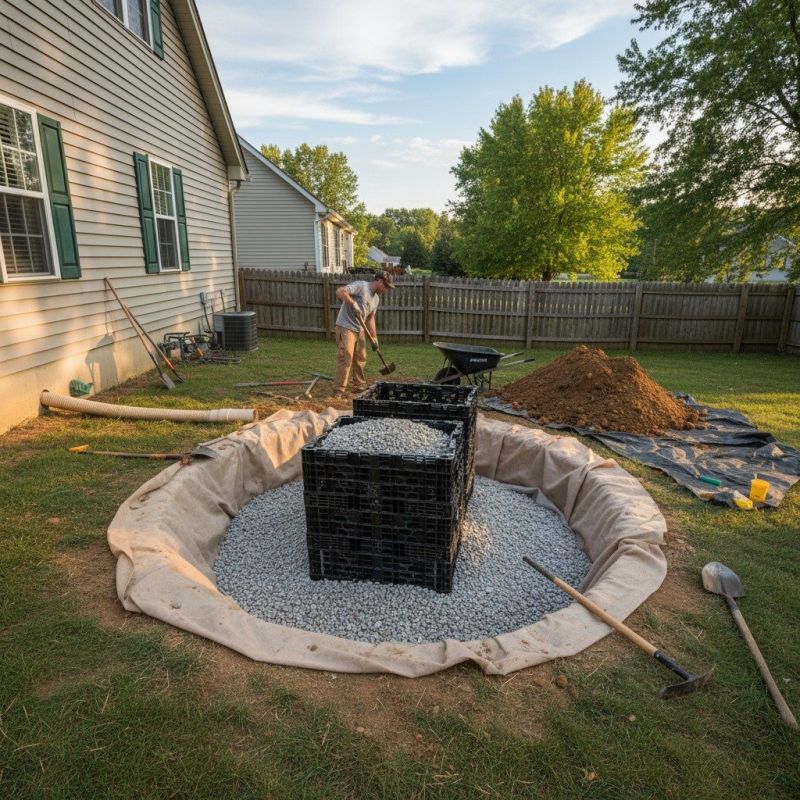
Dry well installation services provide a practical solution for managing excess groundwater and stormwater runoff on residential properties. A dry well is an underground structure that allows water to safely drain away from foundations, driveways, or landscaped areas, preventing pooling and water damage. These systems are often used in projects such as improving drainage around new construction, expanding existing drainage systems, or addressing drainage issues caused by heavy rainfall. Property owners typically want to understand how dry wells work, where they can be installed, and what factors influence their effectiveness, including soil type and property layout.
Before requesting dry well installation, homeowners should consider the location of the system, ensuring it is placed where it will not cause water to flow back toward the foundation or other structures. Understanding local regulations and restrictions related to underground drainage systems is also important. Additionally, property owners may want to know about maintenance requirements and the lifespan of a dry well to ensure it remains functional over time. Proper planning and informed decisions can help optimize drainage solutions and protect the property from water-related issues.
Many property owners in Birmingham, AL look into Dry Well Installation for repairs, replacements, upgrades, and appearance-related improvements.
Common Dry Well Installation Jobs
Dry Well Installation - helps manage excess water runoff on residential properties.
Drainage System Setup - provides effective water dispersal to prevent pooling and erosion.
Stormwater Management - reduces the risk of basement flooding during heavy rains.
Yard Drainage Solutions - protects landscaping by directing water away from foundations.
Water Diversion Systems - minimizes standing water around driveways and walkways.
Property Drainage Improvements - enhances overall yard drainage and water control.
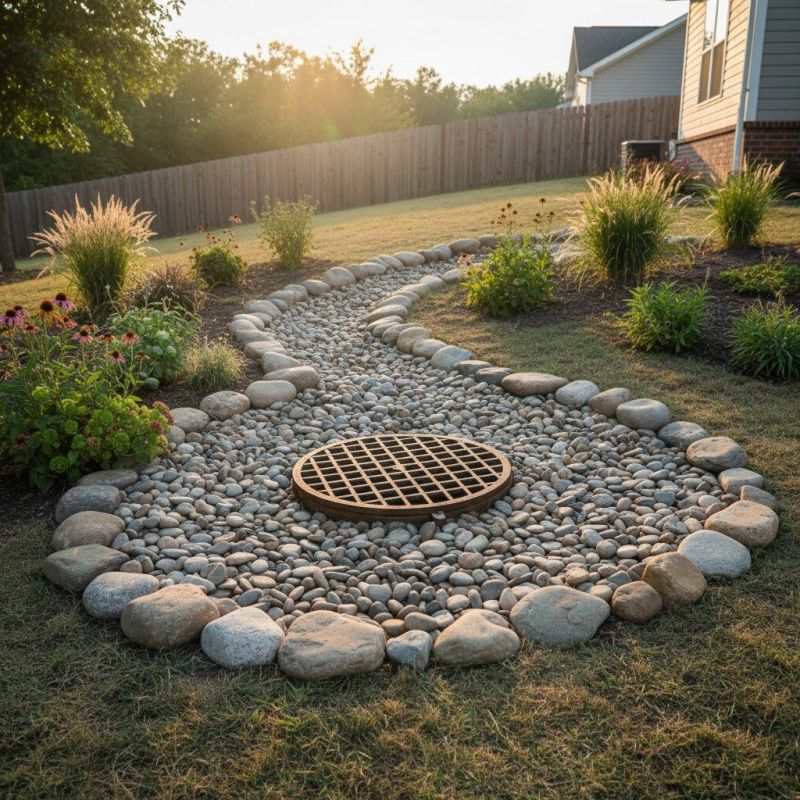
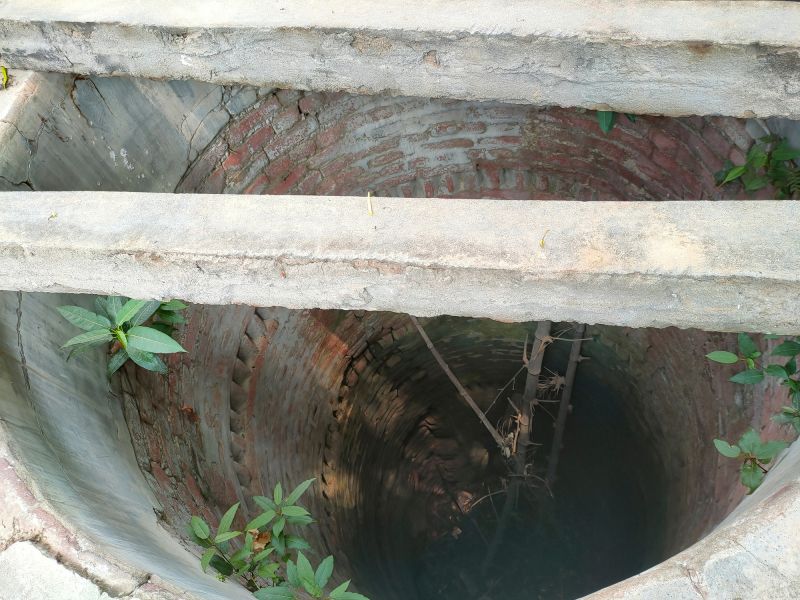
Dry Well Installation Questions
What is a dry well? A dry well is an underground structure that helps manage excess water by directing it away from the property and allowing it to seep into the ground.
When is a dry well needed? Dry wells are useful when there is poor drainage, frequent pooling of water, or to prevent water from damaging foundations and landscaping.
How does a dry well work? It collects runoff from gutters or drains and slowly releases it into the soil, reducing surface water and preventing flooding.
What types of projects typically require a dry well? They are commonly installed for yard drainage, driveway runoff management, or to protect areas prone to standing water.
Request Dry Well Installation in Birmingham, AL
Use the quote form on this page to share the basics of your project and request more information for the type of work you need.